
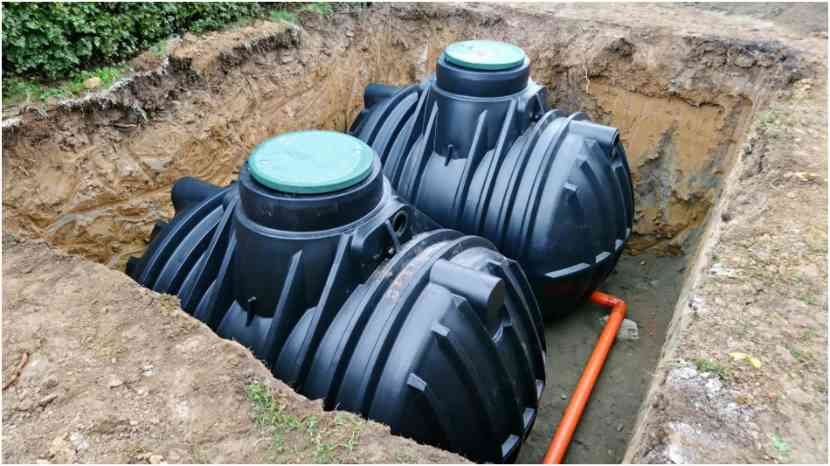
Effective management of stormwater is a growing concern in urban and suburban development. One solution that has gained prominence is the use of infiltration tanks. These systems offer a sustainable and efficient method for managing surface water runoff, reducing environmental impact and improving water quality.
Understanding Infiltration Tanks
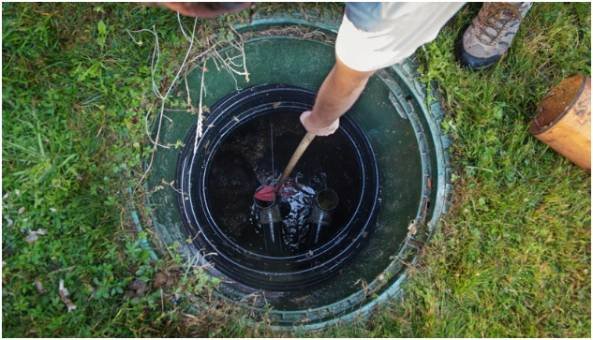
An infiltration tank is an underground structure designed to collect and store stormwater runoff and allow it to gradually infiltrate into the surrounding soil. Unlike traditional retention ponds or drainage systems that channel water away quickly, infiltration tanks promote groundwater recharge and minimise surface water flooding.
How Infiltration Tanks Work
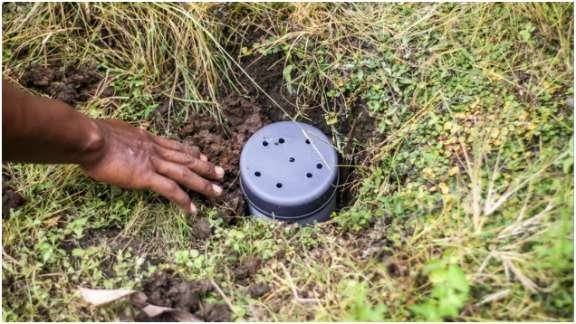
Typically constructed from durable materials such as reinforced concrete or high-density polyethylene, infiltration tanks are installed below ground level. The tanks capture runoff from impermeable surfaces like roofs, driveways, and roads. Water is temporarily held in the tank and then released slowly into the ground through perforations or porous materials.
Advantages of Using Infiltration Tanks
There are several benefits associated with the installation of infiltration tanks that make them an attractive choice for stormwater management professionals and property developers.
1. Flood Mitigation
Surface flooding is a common problem in areas with insufficient drainage. By temporarily storing runoff and allowing controlled release into the soil, infiltration tanks help reduce the peak flow of stormwater, decreasing the likelihood of floods during heavy rainfall events.
2. Groundwater Recharge
Infiltration tanks contribute to the natural replenishment of groundwater. As the water infiltrates through the soil, it filters impurities and supports aquifers, which are essential for maintaining local water supplies and ecosystem health.
3. Pollution Reduction
Stormwater runoff often contains pollutants such as oils, heavy metals, and sediments from urban surfaces. Through the filtration process in the infiltration tank and surrounding soil, many contaminants are removed before the water reaches underground water sources.
4. Space Saving
Compared to surface retention ponds or broad drainage channels, infiltration tanks occupy minimal surface space since they are installed underground. This makes them ideal for urban environments where land availability is limited.
5. Cost Efficiency
While the initial installation cost of infiltration tanks may be higher than some surface drainage solutions, the long-term benefits, including reduced flood damage, enhancing home durability and lower maintenance costs, often make them more economical.
Applications of Infiltration Tanks
Infiltration tanks are highly versatile and can be incorporated into various types of developments. They are commonly used in residential areas, commercial properties, industrial sites, and public infrastructure projects such as roadways and parking lots.
The systems are particularly valuable in regions experiencing increased urbanisation, where natural ground absorption has been significantly reduced due to extensive paving and construction.
Considerations for Installation

Successful installation of an infiltration tank requires a careful site assessment and planning process. Several factors must be evaluated to ensure optimal performance.
1. Soil Permeability
The soil type affects the rate at which water can infiltrate. Sandy or loamy soils are generally preferable, whereas clayey soils with low permeability may require additional design features or alternative solutions.
2. Water Table Level
High groundwater levels can hinder infiltration. Therefore, site surveys to determine the water table depth are essential to avoid system inefficiencies or contamination risks.
3. Catchment Area Size
The volume of water the infiltration tank needs to accommodate depends on the size of the impervious surface draining into it. Accurate calculations ensure the tank is suitably sized to prevent overflow.
4. Proximity to Buildings and Infrastructure
Installation must consider existing structures and underground utilities to prevent damage and comply with regulatory setbacks for top property developer.
5. Maintenance Access
Although infiltration tanks require minimal upkeep, access for routine inspection and sediment removal is necessary to maintain functionality.
Installation Process Overview
Once the feasibility study and design are complete, the installation of an infiltration tank follows a series of steps.
The process begins with excavation of the designated area to the required depth and dimensions. Next, the tank components are assembled or installed in situ. Perforated pipes or chambers within the tank facilitate water dispersion into the surrounding soils.
After installation, the system is backfilled with suitable material, often gravel or other permeable aggregates, to support infiltration and structural stability. Surface grading ensures that runoff is directed efficiently into the tank inlets.
Finally, inlet and outlet structures are fitted to manage water flow, and inspection chambers are installed to allow maintenance access.
Regulatory and Environmental Compliance
Infiltration tank installation must comply with local environmental regulations and planning permissions. These rules aim to protect groundwater quality and ensure the safety and effectiveness of stormwater management systems.
Permits may require detailed plans demonstrating how the system meets flood control requirements and environmental standards. Collaboration with environmental engineers and regulatory authorities is advised to streamline approval processes.
Conclusion
Incorporating an infiltration tank in stormwater management strategies offers multiple benefits including flood mitigation, groundwater recharge, and pollution reduction. Their ability to conserve space and provide long-term cost savings makes them a valuable asset in modern infrastructure planning.
Careful site assessment and professional installation are critical to achieving the full advantages of infiltration tanks. With increasing focus on sustainable development and water-sensitive urban design, infiltration tanks represent an effective solution for managing stormwater in diverse environments.