
When it comes to sunscreen, I used to go for whatever I could find on the shelf—until I learned the truth about chemical sunscreens. My skin was often irritated, and I was concerned about the environment. Then, I stumbled upon mineral sunscreens, and wow—what a difference!
Switching to the best natural sunscreen was a game-changer. Not only did it protect my skin, but it also made me feel better knowing it was safer for the planet. Now, I’m sharing all my findings with you, so you can make an informed choice and keep your skin safe under the sun.
What Makes Natural Sunscreens the Best Choice?
Natural sunscreens work differently from chemical ones. While chemical sunscreens absorb UV rays and convert them into heat, mineral sunscreens sit on top of the skin and physically reflect the rays. This makes them the go-to choice for anyone looking for a safe, effective way to protect their skin without the harsh chemicals.
The gold standard ingredients in natural sunscreens are zinc oxide and titanium dioxide, which provide broad-spectrum protection against both UVA (aging) and UVB (burning) rays. Not only are these mineral ingredients effective, but they are also safe for your skin, offering a chemical-free way to block the sun’s harmful rays.
How Do I Choose the Best Natural Sunscreen for My Skin?
Choosing the best natural sunscreen doesn’t have to be complicated. Natural sunscreens are also vegan and cruelty-free. However, there are a few important factors to keep in mind when selecting a sunscreen that’s right for you. Let’s break it down.
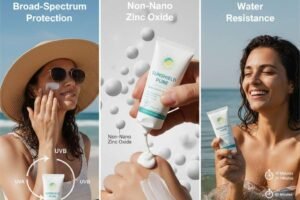
1. Broad-Spectrum Protection
Look for a sunscreen that offers broad-spectrum protection. This means it shields your skin from both UVA and UVB rays, which are responsible for aging and sunburn, respectively. Without broad-spectrum protection, you might be missing out on vital sun defense.
2. Non-Nano Zinc Oxide
To ensure you’re using a truly natural product, choose a sunscreen with non-nano zinc oxide. The term “non-nano” means that the zinc oxide particles are large enough to stay on the surface of your skin, rather than being absorbed into your bloodstream. This is crucial for both your health and for keeping coral reefs safe, as nano-sized particles can harm marine life.
3. Water Resistance
Natural sunscreens tend to wear off faster than chemical sunscreens, especially when you’re swimming or sweating. Look for a formula that offers water resistance for at least 80 minutes. This will give you peace of mind, knowing your sunscreen is still working even if you take a dip in the pool or hit the beach.
Top Natural Sunscreen Recommendations by Category
Choosing the best natural sunscreen is personal—it depends on your skin type, needs, and preferences. Here are some of my top picks for various categories.
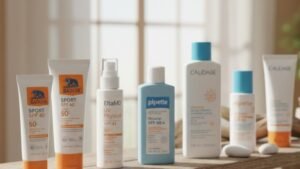
Best Overall: Badger Sport SPF 40
Badger Sport SPF 40 takes the crown as the best overall. It contains just four ingredients, making it ultra-clean and incredibly water-resistant. It’s perfect for outdoor activities and offers long-lasting protection. Plus, it’s made with organic ingredients, so you can feel confident about what’s going on your skin.
Best for Face: EltaMD UV Physical SPF 41
If you’re looking for something that works wonders on your face, EltaMD UV Physical SPF 41 is my top pick. It’s lightly tinted to prevent that dreaded “white cast” and is oil-free, making it ideal for acne-prone skin. It’s the perfect sunscreen for daily wear and blends seamlessly into your routine.
Best for Sensitive Skin: Blue Lizard Sensitive SPF 50+
For sensitive skin, Blue Lizard Sensitive SPF 50+ is highly recommended by dermatologists. It’s fragrance-free and paraben-free, and it provides powerful protection against harmful UV rays without irritating your skin. It’s a must-have for those who need extra care.
Best Luxury Finish: Caudalie Vinosun SPF 50
If you prefer a luxurious feel with your sunscreen, Caudalie Vinosun SPF 50 is an excellent choice. It has a lightweight texture that feels more like high-end skincare than sunscreen, making it a treat to apply. Plus, it offers superior protection from UVA and UVB rays, leaving your skin soft and radiant.
Best for Babies: Pipette Mineral SPF 50
Pipette Mineral SPF 50 is a top pick for babies, thanks to its gentle formula that uses plant-derived squalane to moisturize delicate skin while protecting it from the sun. This sunscreen is pediatrician-approved and provides broad-spectrum protection without harsh chemicals.
How to Apply Natural Sunscreen Like a Pro
Now that you have your best natural sunscreen, here’s how to apply it to ensure maximum protection.

Step 1: Apply Generously
Don’t be shy with sunscreen! Make sure to apply a generous amount to all exposed areas of your skin. For your face, use about a nickel-sized amount. For your body, apply a shot glass full. The key is to make sure every area is covered, from your neck to the tops of your feet.
Step 2: Massage It In
Mineral sunscreens can be thicker than chemical sunscreens, so make sure to massage it in well. Rub the sunscreen between your hands for a few seconds to warm it up before applying. This will help it spread more smoothly and reduce the dreaded white cast.
Step 3: Reapply Regularly
Sunscreen isn’t a one-time deal. Reapply every two hours, or more often if you’ve been swimming, sweating, or towel-drying. Make it a habit to reapply, and you’ll stay protected all day long.
Frequently Asked Questions
1. Can natural sunscreen be used on sensitive skin?
Yes! Mineral sunscreens are generally great for sensitive skin, especially those with zinc oxide or titanium dioxide. These ingredients are gentle and sit on the surface of the skin, making them less likely to irritate. Just make sure to look for sunscreens that are fragrance-free and paraben-free for the best results.
2. What’s the difference between chemical and natural sunscreen?
Chemical sunscreens absorb UV rays into your skin and convert them into heat, while natural (mineral) sunscreens sit on top of your skin and reflect UV rays away from your body. Mineral sunscreens are a great option if you’re looking for something gentler on the skin and safer for the environment.
3. Is it safe to use natural sunscreen on babies?
Yes, natural sunscreens with non-nano zinc oxide are safe for babies. Products like Pipette Mineral SPF 50 are specially formulated for delicate skin and are pediatrician-approved. Just remember to patch-test before applying it all over to ensure there are no allergic reactions.
4. How long does natural sunscreen last?
Natural sunscreen can last up to two hours, or more if water-resistant. Always reapply after sweating, swimming, or towel-drying to ensure you’re getting the full protective benefits.
Keep It Natural and Safe!
So, there you have it—your guide to the best natural sunscreen. It’s all about choosing mineral-based options that keep your skin safe and the environment protected. The next time you’re shopping for sunscreen.
Keep these tips in mind and make sure you’re choosing a product that works with your skin type and lifestyle. Remember: applying sunscreen is a daily habit, and your future self will thank you for taking the time to protect your skin now.
Stay safe, enjoy the sun, and keep it natural!